
7 Things Park City Buyers Wish They Knew Before Choosing a Ski-Town Neighborhood
7 Things Buyers Wish They Knew Before Picking a Park City Ski-Town Neighborhood
It is easy to fall for Park City at first glance. The mountain views are dramatic, the winters are magnetic, and almost every neighborhood seems to promise a version of the dream: quick access to skiing, a beautiful home, and a lifestyle that feels a little more intentional than life in a typical suburb. But buyers often discover that choosing the right ski-town neighborhood is less about the postcard image and more about how you want to live every day.
That is where local perspective matters. In the Wasatch Back, two communities can sit just minutes apart yet offer very different rhythms, price points, traffic patterns, school options, and long-term value. For many buyers, the best decision comes from understanding the difference between a home that looks perfect on tour day and a neighborhood that truly fits your routines in every season.
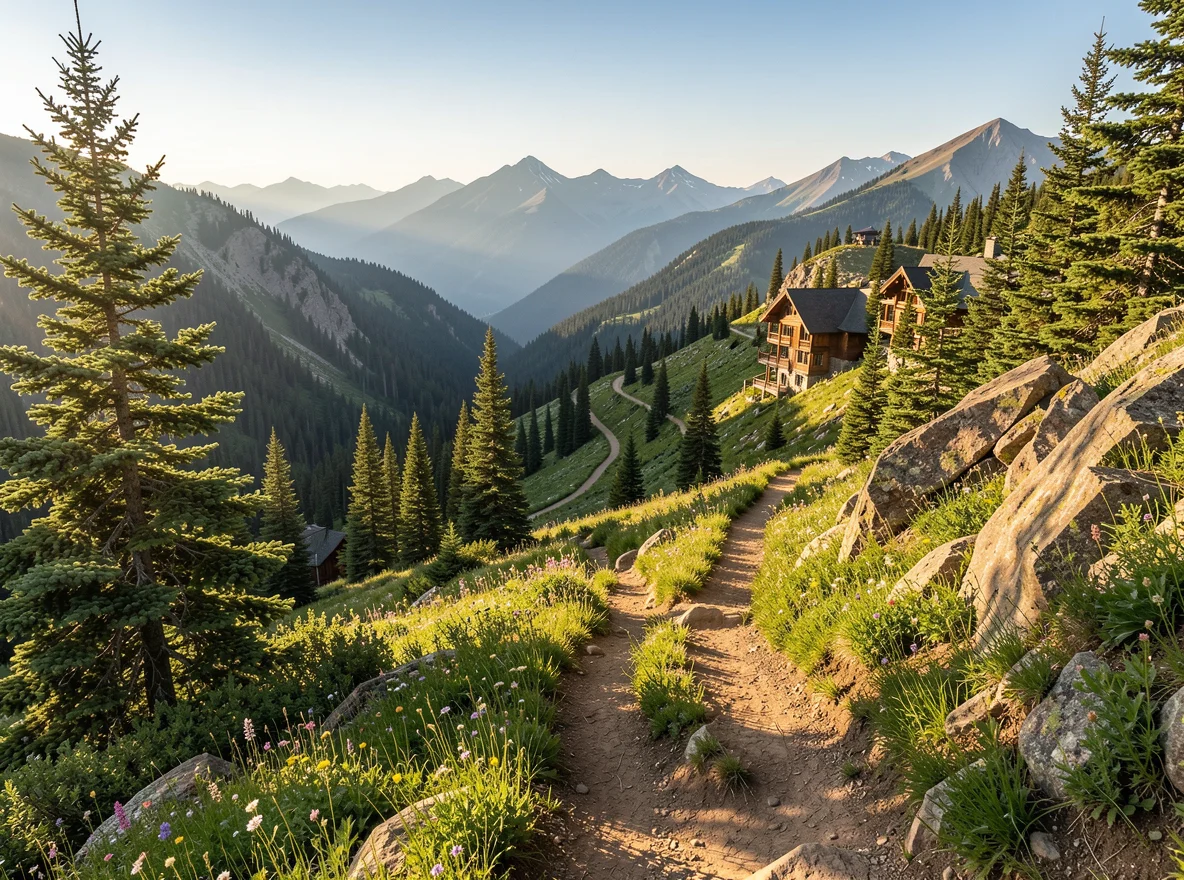
1. Ski access is not the same as daily convenience. A neighborhood that looks incredibly close to the lifts may still feel less practical once you factor in grocery runs, school drop-off, commuting to Salt Lake, or getting around during a storm. Some buyers focus almost entirely on trail proximity, only to realize later that they care just as much about easy year-round access, flatter roads, or being closer to services in Kimball Junction, Silver Creek, or nearby community hubs.
2. Winter lifestyle and year-round lifestyle can be very different. Some areas shine brightest during ski season, while others feel more balanced through spring, summer, and fall. If you love hiking, biking, concerts, golf, reservoir time, or simply having more breathing room, your ideal location may not be the one that sits closest to a base area. Park City living is not just a winter story; the strongest neighborhood match usually supports all twelve months of your life.
3. Newer construction and established charm come with different tradeoffs. Buyers are often surprised by how much neighborhood character affects their experience. Newer communities may offer more modern floor plans, energy efficiency, and predictable maintenance. Older in-town areas may deliver mature trees, more personality, and stronger connection to the original ski-town feel. Neither is automatically better. The real question is whether you want polished ease, classic mountain texture, or a blend of both.
The Lifestyle Details Usually Matter More Than the Listing Photos
4. Short-term rental rules can shape the whole feel of a neighborhood. Even buyers who do not plan to rent their property should understand occupancy patterns and local regulations. A neighborhood with a high concentration of visitor use may feel more transient, especially during peak season. Others feel more rooted, with full-time residents, longer conversations on walks, and a stronger sense of continuity. For many clients, this difference becomes one of the biggest quality-of-life factors after they move in.
5. Schools influence demand even for buyers without children. In the Wasatch Back, school considerations often affect resale strength, neighborhood reputation, and the buyer pool down the road. Families may prioritize boundaries, commute times, extracurricular access, and the social fabric around school communities. Even if that is not your current focus, understanding how buyers think in this market can help you choose an area with broader appeal and steadier long-term value.
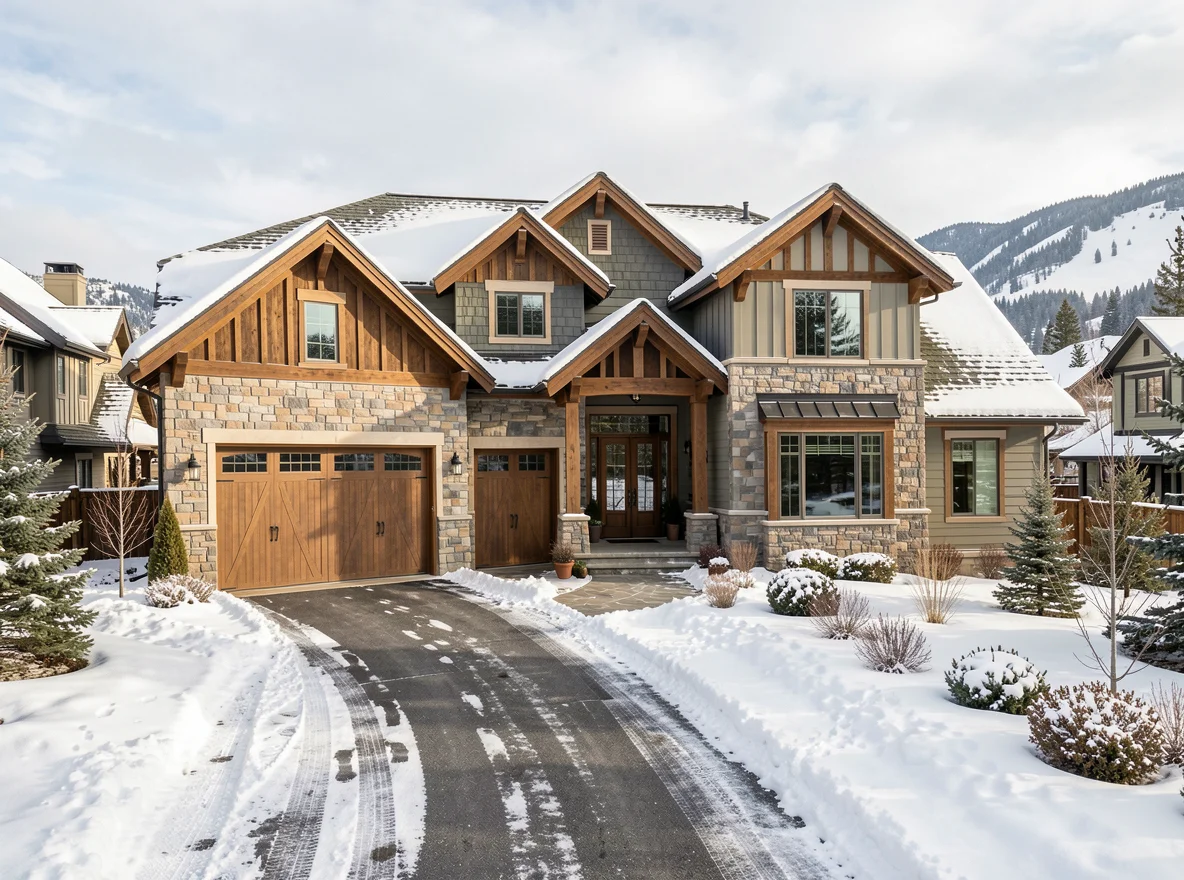
6. Micro-location changes the feel of ownership. This is one of the biggest “wish we knew” lessons. Being on a quiet cul-de-sac, backing to open space, sitting on a steeper driveway, catching less afternoon light, or hearing more seasonal traffic can all change how a home lives. In mountain markets, topography matters. Snow removal, sun exposure, road orientation, and elevation are not small details here; they are daily realities that influence comfort and maintenance.
7. Community fit is just as important as price per square foot. Buyers naturally compare numbers, but the emotional side of a move is often what determines whether a purchase feels right. Some neighborhoods attract primary residents who build long-term relationships. Others appeal to second-home owners seeking lock-and-leave simplicity. Some have a more active, family-centered energy, while others feel quieter and more private. A boutique, community-first real estate approach helps buyers think beyond the transaction and focus on where they will feel most at home.
That broader perspective is especially important in Park City because the market is layered. Luxury enclaves, golf-oriented communities, in-town ski areas, and growing outlying neighborhoods all compete for attention. A home can be beautiful and still be wrong for your goals if the surrounding lifestyle does not align. The smartest buyers spend time defining their personal “why” before narrowing in on a map.
What Savvy Buyers Do Before They Commit
They visit at different times of day. They drive the route to the places they will actually use. They ask how a neighborhood feels in shoulder season, not just on a powder weekend. They compare HOA structures, understand what is included, and look beyond staging to think about storage, mudroom function, guest flow, and how the home performs after a snowy day on the mountain. In a ski-town market, practical details and lifestyle aspirations should work together.
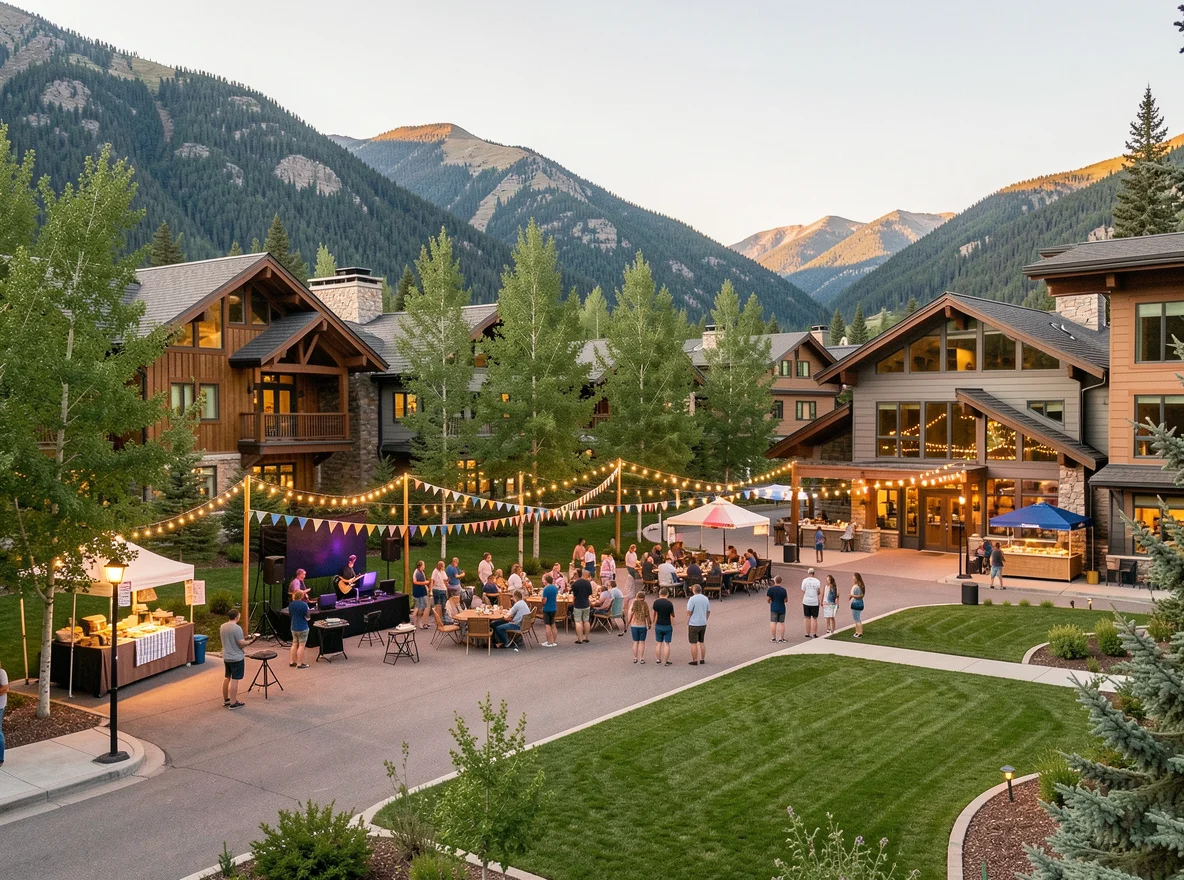
They also pay attention to what surrounds the home. Nearby trail systems, access to recreation, village-style gathering spaces, golf, dining options, and regional mobility all contribute to value. In the Wasatch Back, buyers are not simply purchasing bedrooms and bathrooms; they are choosing a pattern of living. That is why local guidance rooted in commUNiTY can be such an advantage. It helps turn a broad search into a smarter one.
For many purchasers, the winning neighborhood is not the one they expected at the beginning of the search. Sometimes it is slightly farther from the lifts but stronger for everyday living. Sometimes it offers better trail access in summer, easier access to schools, or a more neighborly atmosphere. Sometimes it simply feels right in a way that statistics alone cannot explain.
Park City rewards buyers who look deeper. If you understand access, seasonality, community character, rules, schools, and micro-location before making an offer, you are far more likely to end up with a home that supports the lifestyle you came here to find. And in a market as nuanced as the Wasatch Back, that kind of clarity is not just helpful; it is often the difference between loving your purchase and merely living with it.